
Quick answer: Dividend capture is a short-term dividend strategy where you buy a dividend-paying stock (or ETF) before the ex-dividend date, hold through that date to earn the dividend, then sell afterward. The goal is to keep the dividend while minimizing (or recovering) any price drop that often happens around the ex-dividend date.
Important: This post is educational. It’s not financial advice or tax advice. Dividend capture involves risk, and taxes/fees can change your results.
Want the “protect your butt” details? This post is the strategic overview. If you want the step-by-step rules that keep dividend capture from turning into a slow-motion faceplant (candidate filters, entry/exit plans, risk controls, and the common mistakes that quietly eat your dividend), grab the book: Get 20% Returns with Dividend Capture (Amazon)
What is dividend capture, really?
Dividend capture (also called dividend harvesting) is the “hit-and-run” cousin of traditional dividend investing.
Instead of buying a stock and holding it for years, a dividend capture trader (ahem… a Yield Raider) tries to:
- Buy shares before the ex-dividend date
- Hold through the ex-dividend date (so they’re entitled to the dividend)
- Sell after — ideally when price has stabilized or recovered
The idea is simple: you’re aiming to pocket the dividend as a cash event, without marrying the stock.
The 60-second version: how dividend capture works
Here’s the mental model that keeps people out of trouble:
- Dividends aren’t free money. The market knows they’re coming.
- On (or around) the ex-dividend date, a stock often drops by roughly the dividend amount (not always perfectly, but the pressure is real).
- Your job is to choose situations where the price drop is smaller than expected and/or the price rebounds quickly.
Think of it like this: Dividend capture is grabbing the cash off the counter… while trying not to knock over the register on your way out.
The four dates you must understand (or you’ll get wrecked)
Dividend capture lives and dies on timing. These are the key dates:
| Date | What it means | Why Yield Raiders care |
|---|---|---|
| Declaration date | The company announces the dividend amount and schedule. | Confirms the dividend is real and sets the timeline. |
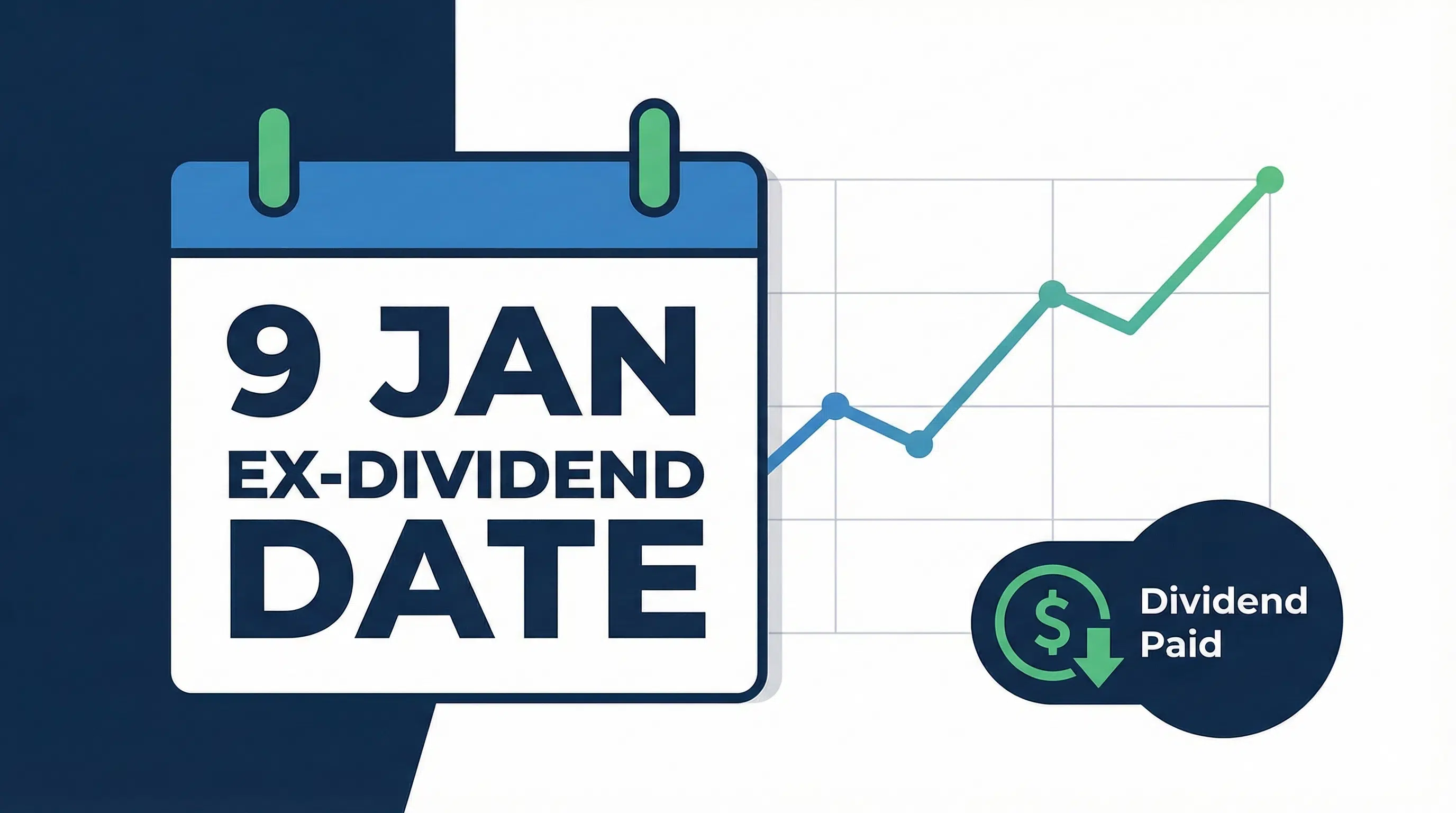
| Ex-dividend date | The cutoff date. Buy on/after this date and you usually do not get the dividend. | This is the “must own before” date for capturing the dividend. |
| Record date | The company checks its records to see who is entitled to the dividend. | Ex-dividend timing is based around this date. |
| Pay date | The dividend cash is actually paid out. | Your broker credits the dividend (timing varies a bit). |
The big rule: If you want the dividend, you generally need to buy before the ex-dividend date (not on it).
A concrete dividend capture example (with a simple timeline)
Let’s say a stock is trading at $50.00 and it declares a dividend of $0.50 per share.
- Day -2 or Day -1: You buy at ~$50.00
- Ex-dividend date: The stock might open around ~$49.50 (because buyers after this date don’t get the $0.50 dividend)
- Day +1 to Day +5: You hope price rebounds (maybe to $49.90, $50.10, etc.) and you exit
Best-case-ish scenario: You sell near your entry price and keep most of the dividend as profit (minus taxes/fees).
Worst-case scenario: The stock drops more than the dividend and doesn’t recover quickly — and now you’re “capturing” a dividend while sitting on a losing position. (That’s not a strategy. That’s a coping mechanism.)
Does dividend capture actually work?
It can work — but it’s not automatic, and it’s not magic.
Dividend capture works best when:
- The stock/ETF is liquid (tight spreads, easy exits)
- The dividend is meaningful but not so huge that it attracts chaos
- The price action is relatively stable
- There’s a history of quick recovery after ex-dividend
- and you use it within your IRA
It works worst when:
- The dividend is a “trap” (high yield because price is falling)
- The company is under stress (bad news risk)
- The stock is thinly traded (wide spreads, ugly slippage)
- You’re paying high fees, or trading too small for the dividend to matter
Reality check: Many stocks drop around the dividend by roughly the dividend amount. The edge in dividend capture usually comes from selection (choosing better candidates) and execution (timing and risk control). We teach you how to avoid these issues in the book.
The real enemies: taxes, spreads, and bad exits
Most beginners focus on the dividend and ignore the stuff that quietly eats it alive:
1) Taxes (especially “qualified dividends”)
In many cases, dividend capture trades are held for a short time — which can mean the dividend is not “qualified” for lower tax rates. Qualified dividend rules have holding-period requirements, and short holds may not meet them.
Translation: the IRS may treat your dividend more like ordinary income than a tax-favored qualified dividend, depending on your situation. That’s why I exclusively do dividend capture in my IRAs. It completely removes taxes from the equation.
2) The bid/ask spread
If you buy at the ask and sell at the bid, you can lose a chunk immediately. On small dividends, spreads can wipe out your edge. That’s why we teach you research tools to improve your “take home.”
3) Slippage and execution mistakes
Dividend capture is simple — but it is timing-sensitive. Bad entries and panicked exits turn a “capture” into a “crater.” It’s the reason we recommend backtesting, and there are simple, inexpensive ways to do that.
Dividend Capture Fit: who this strategy is (and isn’t) for
This fits you if:
- You like structured, repeatable rules
- You prefer “small edges, many reps” over moonshots
- You’re willing to track results and improve your process
- You can follow risk rules (position sizing, exit plans)
This does not fit you if:
- You hate monitoring trades
- You routinely ignore exit rules “because it’ll come back”
- You’re chasing ultra-high yields without understanding why they’re high
How Yield Raiders pick dividend capture candidates
This is not a stock-picking sermon. It’s a filtering mindset.
Many dividend capture traders focus on candidates with:
- Consistent dividend history (no surprises, fewer rug-pulls)
- Liquidity (tight spreads, decent volume)
- Price stability (less chance of a dividend-sized drop turning into a bigger dump)
- Repeatable behavior around ex-div dates (patterns matter)
You’ll find these strategies in the book: Get 20% Returns with Dividend Capture (Amazon), and the tools you need reviewed here on the site.
And they watch out for:
- Sudden “too good to be true” yields
- Earnings dates or major news landing near the ex-div window
- Positions so large that one ugly move ruins the month
A beginner-friendly dividend capture workflow (simple and repeatable)
- Build a watchlist of dividend payers you’re willing to own briefly (or longer if it goes sideways).
- Track the dates: ex-dividend date, pay date, and any earnings/news nearby.
- Plan the trade: entry window, target exit window, and “get me out” risk level.
- Keep position sizes sane so one trade can’t wreck the account.
- Log the outcome: capture success, recovery time, price drop vs dividend, notes.
If you only do one thing: Treat dividend capture like a process you improve — not a lottery ticket you hope behaves.
Common variations (so you recognize them in the wild)
- Capture + quick rebound: Sell as soon as price stabilizes or hits a modest target.
- Capture + covered calls (advanced): Some traders pair capture windows with options income. (More moving parts, more risk.)
- ETF-based capture: Uses dividend-heavy ETFs for diversification, sometimes at the cost of smaller “edge.”
FAQ: dividend capture questions people ask nonstop
Do I have to hold on the pay date?
Usually no. Your entitlement is tied to owning before the ex-dividend date (not the pay date). The pay date is when cash is distributed.
Can I buy on the ex-dividend date and still get the dividend?
Usually no. If you buy on the ex-dividend date (or after), the seller typically gets that upcoming dividend.
Is dividend capture “free money”?
No. The stock price often adjusts around the dividend. The edge is not the dividend itself — it’s how the stock behaves around that event, minus costs and taxes.
Is dividend capture risky?
It can be. The big risk is the price drop lasting longer than expected, or getting hit by unexpected news. Risk rules matter.
Bottom line
Dividend capture is a short-term strategy designed to collect dividends while trying to avoid getting stuck in a long drawdown. It’s simple to understand, but it rewards discipline: good candidates, sane sizing, clean exits, and honest tracking.
Next step
If you’re thinking, “Okay… I get the concept, but I don’t want to learn this the hard way,” that’s exactly what the book is for. The post gives you the map. The book gives you the guardrails: rules, checklists, and the practical ‘don’t do this’ details that keep dividend capture sane.
Get the book on Amazon and the free tools that come with it!
Related:
0 Comments